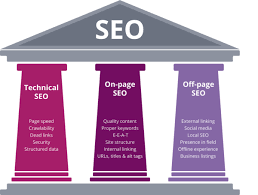
Search Engine Optimization (SEO) is a term used to describe the act of optimizing your website to rank higher on Search Engine results pages when user seek information related to what you have to offer online. Simply put, SEO helps Search engines find what is relevant about you and makes it possible for visitors to find your site easily. SEO is very important part of the era of digital marketing, social media marketing, content writing etc. In the compititive era of digital world SEO has made the digital marketing very easy and engaging.
When a business has correctly optimized their website, they are able to attract users through organic search (i.e., through no cost) because search engines like Google have been able to identify and categorize them appropriately. For instance, if you operate a bakery and someone searches for a location to purchase “the best chocolate cake near me,” strong SEO will assist you in being listed among those that are listed as having the best chocolate cake nearby.
why is SEO important?
A majority of online experiences start with a search engine. Users will use search engines to find information, compare products, read reviews and make purchase decisions. If your website isn’t showing up in the search results, the potential customers will never find your website or your business. A strong digital marketing strategy combines SEO, content creation, social media, and paid advertising to maximize results.
Using SEO can help:
Improve the visibility of your website Bring targeted visitors to your website Create trust and credibility with your visitors Enhance the user experience on your website Provide you with leads and sales without having to pay for every click.
How does SEO work?
Automated programs known as crawlers used by search engines, enable them to find and index web pages. Once they have located and indexed the pages, the crawlers then study hundreds of different factors in order to assess which of these pages are relevant and useful for a given search user query.
Search engine optimization is a practice that focuses on such measurement factors. Examples of the most important measurements include:
keyword optimization:
Keywords are the words and phrases people type into search engines. By creating content around relevant keywords, websites can match user search intent more effectively.
High quality content:
Search engines prioritize content that provides value, answers questions, and satisfies user needs. Well-written, informative, and original content tends to perform better services regarding digital marketing.
Technical SEO:
Technical SEO ensures that search engines can easily crawl and understand a website. This includes site speed, mobile-friendliness, secure connections (HTTPS), and proper website structure. Technical SEO is a critical component of digital marketing, ensuring that websites are fast, secure, mobile-friendly, and easily crawlable by search engines to improve visibility and rankings.
Backlinks:
Backlinks are links from other websites pointing to your site. They act as signals of trust and authority, helping search engines determine the credibility of your content. High-quality backlinks can improve search engine rankings and support long-term success in internet marketing campaigns.
User Experience:
A website that is easy to navigate, loads quickly, and works well on all devices provides a better experience for visitors, which can positively impact rankings.
Types of SEO in Digital Marketing
on page SEO
off page SEO
Technical SEO
On Page SEO:
This involves optimizing elements on your website, such as:
Content
Title tags
Meta descriptions
Headings
Internal links
Images
Off Page SEO:
This focuses on activities outside your website, including:
Link building
Brand mentions
Social media visibility
Online reputation management
Technical SEO:
This involves improving the technical foundation of a website, such as:
Website speed
Mobile optimization
Site architecture
XML sitemaps
Structured data
Final Thoughts on SEO in digital marketing:
In digital marketing world SEO is not about tricking search engines. It’s about creating valuable content, providing a great user experience, and making it easy for search engines to understand your website. While SEO takes time and consistent effort, it can deliver long-term benefits by helping the right audience find your website naturally through search results.